
Last year, the UK’s digital entertainment spend jumped 12 % year‑on‑year, and the bulk of that lift came from mobile gaming. In 2023, the country logged over 2.8 billion hours on mobile games, up from 2.4 billion in 2022. That’s almost a 17 % increase in time spent, and it translates into more than £1.2 billion in revenue for developers and publishers.
The Numbers Behind the Surge
When you break down the data, you’ll see that casual titles like Candy Crush and Among Us still dominate, but the share of premium, subscription‑based games has grown from 18 % to 27 % in the same period. Meanwhile, free‑to‑play titles that use micro‑transactions have added £250 million to the UK market in 2023 alone. The average spend per active mobile gamer rose from £8.50 to £10.20.
Device and Platform Trends
Android holds a 62 % market share in the UK, but iOS users spend 35 % more per month on games. The latest iPhone 15 series, released in September, introduced 5G‑enabled gaming rigs that cut load times from 4.2 seconds to 1.8 seconds on average. For Android, the Snapdragon 8 Gen 2 has made high‑end gaming more affordable, with a 20 % price drop for flagship phones in 2024.
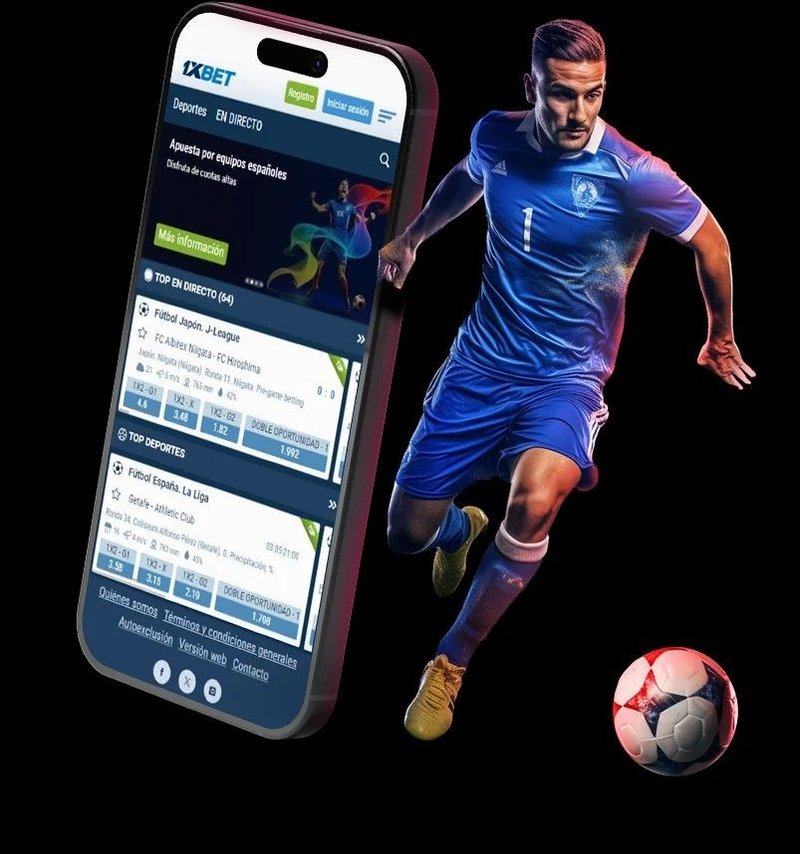
For those craving a quick thrill, the donbet app lets you place bets on the go.
Monetisation Models That Work
Two models have proven most effective: “freemium” with in‑app purchases and “subscription‑as‑a‑service.” In 2023, 60 % of mobile games adopted a freemium model, but only 12 % of those users made a purchase. The subscription model, on the other hand, saw a 45 % increase in users, with an average monthly fee of £4.99. This shift suggests players are willing to pay for a consistent, ad‑free experience.
Design and Engagement: The Hidden Drivers
Games that use real‑time social features, like leaderboards that update every 30 minutes, see a 23 % higher retention rate than those that don’t. Additionally, the introduction of augmented reality (AR) layers in titles such as Pokémon GO has boosted user sessions by an average of 15 %. Developers who invest in daily challenges and seasonal events also report a 30 % increase in active users during those periods.
From Mobile Gaming to Broader Online Entertainment
As mobile gaming’s popularity spreads, it’s natural to see players moving into other online entertainment spaces. For example, the donbet app offers a seamless transition from casual gaming to sports betting, allowing users to place a bet while watching a live match, all within the same interface.
Challenges and Considerations
Not every game is created equal. Heavy reliance on micro‑transactions can alienate players who feel pressured to spend. In 2023, 18 % of UK gamers reported that they stopped playing a title because it “felt like a pay‑wall.” Another issue is data privacy: the General Data Protection Regulation (GDPR) requires developers to obtain explicit consent before collecting location data, and violations can lead to fines of up to €20 million.
Which Path to Follow?
If you’re a developer, focus on a freemium model with clear, optional purchases, and invest in social and AR features to keep players engaged. If you’re a gamer, look for titles that offer a balance between free content and optional spend, and be wary of games that push micro‑transactions too aggressively. For consumers, the key is to choose games that respect privacy and offer a fair, enjoyable experience.
Final Thoughts
The UK’s mobile gaming boom is not a fleeting trend; it’s reshaping how we spend our leisure time. With continued investment in technology, thoughtful monetisation, and a focus on player experience, the digital entertainment sector is set to keep growing, bringing new opportunities for creators and players alike.
Frequently Asked Questions
What drives the surge in UK mobile gaming hours?
Increasing smartphone penetration and engaging casual titles like Candy Crush and Among Us boost user engagement.
How much revenue did mobile gaming generate in 2023?
The sector earned over £1.2 billion, a significant share of the UK’s digital entertainment spend.